Boost Your Culinary Experience With a Stainless Steel Table in Your Kitchen Area Setup
A stainless steel table can dramatically enhance the performance of a cooking area. Its long lasting building uses a trusted surface for different culinary jobs, from dish preparation to storage. Past practicality, the streamlined design matches modern-day aesthetics. Furthermore, its non-porous nature advertises health, lowering the risk of bacterial growth. However, picking the right table involves taking into consideration several factors that can improve your cooking experience even further. What should one focus on when making this investment?

The Advantages of Stainless-steel in the Kitchen area
Stainless-steel has actually become a popular product in modern-day cooking areas because of its myriad advantages. Among its main advantages is its resistance to discolorations and corrosion, making it perfect for cooking and food preparation atmospheres. This non-porous surface hinders the growth of bacteria, promoting a much healthier kitchen area room. Additionally, stainless-steel is very easy to clean, calling for only a basic wipe-down to preserve its gloss.
Another advantage is its aesthetic allure; its smooth, modern look enhances various style styles, improving the total setting of the kitchen. Moreover, stainless-steel is very functional, appropriate for a series of applications from countertops to tables, suiting various culinary jobs.
This product likewise sustains temperature level retention, which can be helpful in food preparation. Last but not least, stainless-steel is usually recyclable, interesting those who focus on sustainability in their kitchen area choices. These factors jointly add to the prevalent preference for stainless steel in kitchen style.
Toughness and Longevity: Why Stainless Steel Tables Last
While several kitchen surfaces can put on down over time, tables made from stainless-steel stand apart for their remarkable durability and longevity. Unlike wood or laminate, stainless steel is immune to discolorations, dents, and scratches, making it perfect for high-traffic cooking environments. Its non-porous surface area does not nurture bacteria, guaranteeing a hygienic workspace that continues to be intact via rigorous usage.
Stainless steel is highly immune to rust and corrosion, which is particularly useful in cooking areas where wetness is widespread. This strength prolongs the life-span of the table, making it a sensible financial investment for both home cooks and professional cooks
With appropriate treatment, stainless-steel tables can last for decades, maintaining their visual appeal and architectural honesty. Their capacity to endure the roughness of everyday kitchen activities without jeopardizing high quality better cements stainless steel as a top selection for any kind of cooking setup.
Easy Maintenance: Cleaning and Take Care Of Your Table
Keeping a stainless-steel table is simple, calling for just basic cleaning techniques to maintain it looking beautiful. Normal maintenance suggestions can improve its longevity and performance, making certain the table remains a useful focal point in any kitchen area. By adhering to these guidelines, customers can delight in both the aesthetic and practical benefits of their stainless steel furnishings.
Straightforward Cleansing Techniques
A few simple cleaning strategies can keep a stainless-steel table looking immaculate and useful. A blend of warm water and light recipe soap is efficient for routine cleansing. A soft towel or sponge can delicately eliminate food bits and discolorations without scraping the surface area. For tougher places, a sodium bicarbonate paste can be used; it serves as a mild abrasive that does not damage the stainless steel. Rinsing the table with tidy water afterward is important to prevent soap deposit. Ultimately, drying the surface with a microfiber towel assists stay clear of water places and touches. Routinely wiping down the table after usage makes certain that it remains in exceptional problem and without buildup.
Routine Maintenance Tips
To ensure the long life and look of a stainless steel table, routine maintenance is crucial. It is suggested to clean the surface with a mild detergent and warm water, using a soft towel to avoid scratches. For harder discolorations, a non-abrasive cleanser can be used. It is necessary to dry out the table extensively after cleansing to avoid water areas. Furthermore, applying a food-safe stainless steel gloss can help maintain its shine and safeguard against finger prints. Regularly looking for any indications of deterioration or scrapes is essential; attending to these issues immediately can protect against additional damages. Staying clear of abrasive products or extreme chemicals will certainly aid preserve the table's finish and total stability.
Visual Charm: Boosting Your Kitchen Layout
A stainless steel table presents a modern commercial appearance that improves contemporary kitchen layouts. Its reflective surface not just includes a touch of elegance however likewise creates an impression of area and light, making cooking areas really feel more open. This combination of design and capability can substantially boost the total aesthetic charm of any type of cooking area.
Modern Industrial Look
The modern commercial appearance has become a famous option for kitchen area layout, seamlessly mixing capability with visual appeal. Defined by resources, open areas, and a minimal technique, this style emphasizes the charm of simpleness. Stainless-steel tables perfectly match this aesthetic, giving a smooth and sturdy surface that enhances the overall style. The combination of subjected brick, wood accents, and metal components develops a welcoming atmosphere, while the clean lines of stainless steel contribute to a cohesive aesthetic style. This look not only raises the kitchen's look but likewise motivates a much more effective and organized cooking setting. As more homeowners accept this trend, the modern-day commercial kitchen area remains to gain popularity, reflecting a sophisticated yet practical lifestyle.
Reflective Surface Benefits
Enhancing the aesthetic charm of a cooking area, the reflective surface area of a stainless-steel table serves as a striking focal point. Its glossy coating not only attracts the eye but also creates a feeling of spaciousness, making smaller sized cooking areas show up bigger and extra open. The streamlined surface enhances different style styles, from contemporary to minimalist, easily incorporating with other materials such as wood or stone. Furthermore, the reflective top quality of stainless steel enhances natural and artificial lighting, lightening up the whole space. This effect can contribute to a cozy, inviting environment, suitable for culinary creativity. Eventually, a stainless-steel table boosts the kitchen area's total layout, merging performance with sophisticated looks for an enhanced cooking experience.
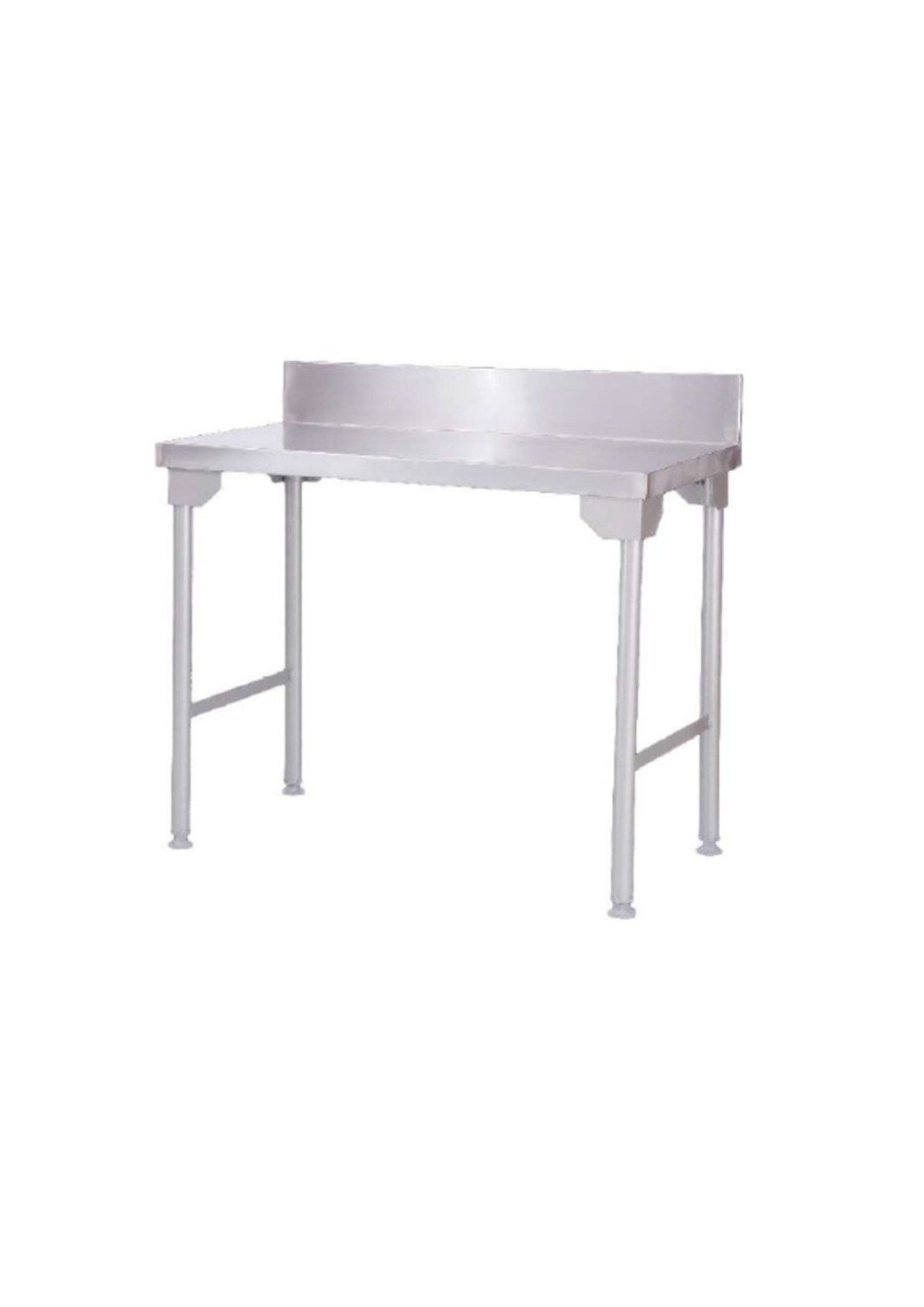
Convenience: Utilizing Your Stainless-steel Table for Numerous Jobs
Stainless-steel tables stand apart as a multifunctional possession in any type of kitchen, flawlessly fitting a selection of tasks. These tables serve not only as a prep area for slicing vegetables and setting up dishes yet likewise as a staging ground for plating and serving dishes. Their robust surface area can take care of heavy-duty tools, making them perfect for food cpus, mixers, and various other kitchen devices.
Furthermore, stainless steel tables can function as a practical workspace for cooking, allowing ample room for presenting dough and preparing components. Their smooth layout allows very easy combination into various kitchen area formats, whether in business or residential settings.
Furthermore, these tables can increase as a storage space option, with the choice to incorporate shelves or cupboards underneath the surface area. This flexibility makes stainless steel tables a vital element of any type of cooking environment, enhancing both capability and efficiency.
Health and wellness: The Non-Porous Nature of Stainless Steel
Health and security in the kitchen area are dramatically boosted by the non-porous nature of stainless-steel. This product does not nurture microorganisms or take in liquids, making it a suitable surface area for cooking. More about the author Unlike wood or laminate, which can catch food bits and moisture, stainless steel continues to be easy and hygienic to tidy.
Its smooth surface permits reliable sanitization, minimizing the danger of cross-contamination. Food security is critical in any cooking area, and stainless steel tables supply a reputable option to maintain sanitation.
Additionally, the resistance of stainless steel to rust and rust more adds to its security profile. The product is resilient and can hold up against strenuous cleaning methods without degrading, guaranteeing a resilient, safe environment for cooking. In general, the non-porous feature of stainless-steel is a substantial benefit that promotes health and wellness in cooking setups.
Picking the Right Stainless-steel Table for Your Demands
When selecting a stainless steel table, it is essential to think about private needs and preferences along with the security benefits that the material supplies. The table's dimension need to line up with the kitchen area's layout, permitting for optimal room use - Stainless Steel Table. In addition, people visite site should evaluate the table's elevation to ensure comfort during food preparation or cooking jobs
In addition, the table's design and features, such as shelves or cabinets, can boost functionality. A design with wheels might provide flexibility, while a fixed version offers security. The thickness of the stainless steel also contributes in durability; a thicker scale is generally more resilient to put on and tear.
Taking into consideration the coating is necessary, as brushed or brightened surfaces may impact maintenance regimens. By thoroughly examining these elements, one can confidently select a stainless steel table that not only fulfills useful needs yet also enhances the overall cooking area visual.
Frequently Asked Concerns
Can I Make Use Of Stainless-steel Tables Outdoors?
Yes, stainless steel tables can be used outdoors. They are sturdy and immune to corrosion and rust, making them suitable for numerous climate condition. Stainless Steel Table. Normal maintenance guarantees their longevity and visual allure in outdoor settings
Are There Different Qualities of Stainless-steel for Kitchen Area Tables?
Yes, there are different grades of stainless-steel for cooking area tables, largely 304 and 316. These grades differ in corrosion resistance, sturdiness, and viability for various atmospheres, influencing their efficiency in cooking applications.
Exactly how Do I Prevent Scrapes on My Stainless-steel Table?
To avoid scrapes on a stainless-steel table, one ought to make use of cutting boards, prevent abrasive cleaners, use soft towels for cleaning, and ensure heavy objects are placed meticulously to minimize impact on the surface.
Can Stainless Steel Tables Rust or Spot Gradually?
Stainless-steel tables can rust or discolor with time, specifically if exposed to extreme chemicals or moisture. Normal cleansing and appropriate upkeep assistance protect against these problems, making sure the table stays visually enticing and practical.
What Is the Weight Ability of a Stainless-steel Table?
The weight ability of a stainless steel table commonly varies from 500 to 1,500 extra pounds, depending upon the scale of the steel and building high quality. Stronger tables appropriate for heavy-duty commercial usage.
A stainless steel table can substantially improve the functionality of a kitchen area. look what i found While several kitchen surface areas can use down over time, tables made from stainless steel stand out for their exceptional longevity and longevity. A stainless steel table presents a contemporary commercial look that improves contemporary cooking area styles. Enhancing the visual appeal of a kitchen, the reflective surface area of a stainless steel table serves as a striking focal point. The weight capability of a stainless steel table normally varies from 500 to 1,500 pounds, depending on the scale of the steel and building high quality.